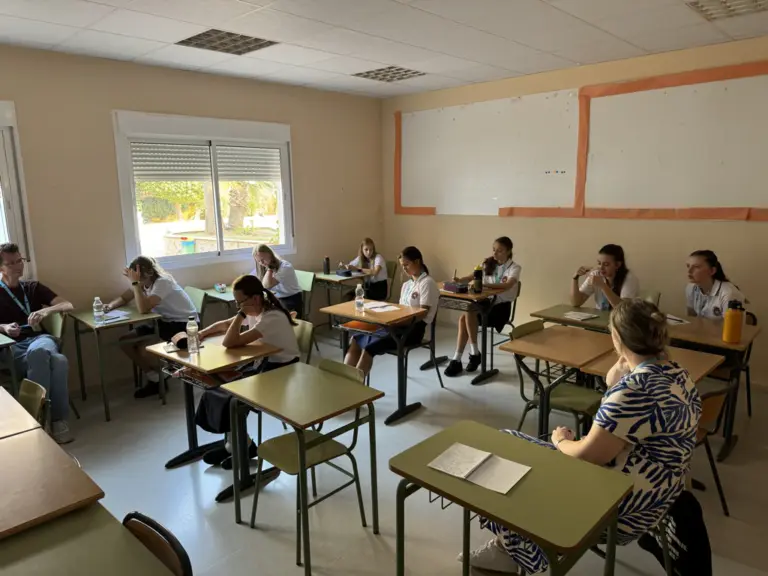
Why this course. Medical English is a 7-day course on the European Trainee Academy campus in Benalmádena, near Málaga, that drops your school group into an English-language environment for a week — with one afternoon spent behind the scenes at a working healthcare institution. Your students get to see the language they’re learning used the way it’s actually used, by people who use it for a living.
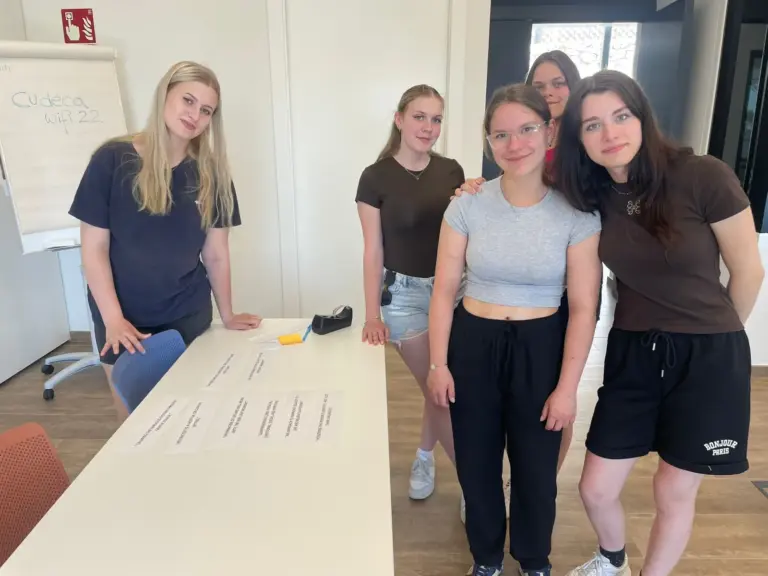
What it covers. The week runs as a project-based course — your students stay together as one group. Mornings explore real healthcare topics in an approachable, age-appropriate way: a grammar refresher to build confidence, then everyday health and the body (vital signs like pulse and heart rate), basic first aid and what to do in an emergency (including the basics of CPR), the different roles in a care team and how healthcare supports patients with comfort and dignity, and looking after mental wellbeing. Afternoons are for getting out: guided trips, beach time, and group activities where the English keeps going outside the classroom. The midweek highlight is a guided behind-the-scenes visit to a local healthcare institution — watching and asking, never treating — and the week builds gently toward a friendly group showcase, “Mental Health in Teenagers.”
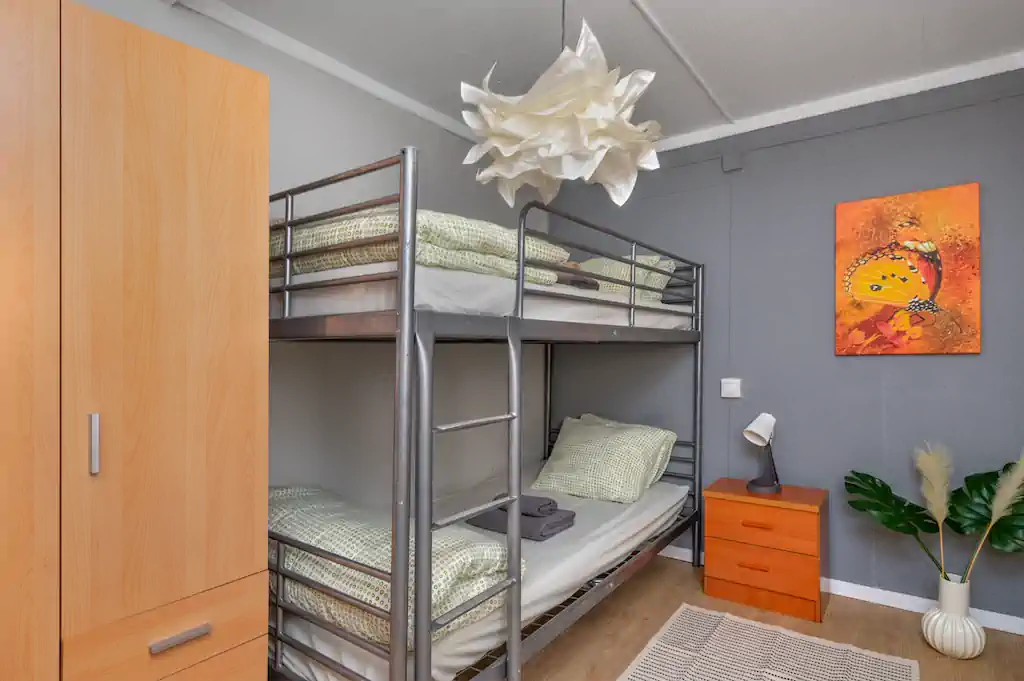
How it is run. Your school group — 15 to 32 students, ages 15 to 30 — travels with its own group leaders. They sleep either in the on-campus residence or at a nearby hotel, with full board, supervised by EUTA staff and your leaders. One leader place is free for every 15 students. The week closes Friday with the group showcase and certificates, then a guided Málaga half-day.
What Students Will Gain
Real cultural immersion on the Costa del Sol
Daily life in a Spanish coastal town — markets, beaches, Andalusian rhythm — turns the programme into context rather than a side trip.
Behind the scenes of real healthcare
A guided mid-week visit to a working healthcare institution — students see how English is used by staff in a real setting, then debrief and capture the vocabulary back on campus.
English fluency through immersion
Mornings in class, afternoons using the language with hosts, shopkeepers, and trip guides — the gap between learning English and using it closes fast.
Real-world English in context
Vocabulary, grammar, and discourse practiced where they actually appear — ordering food, asking directions, presenting work, holding an opinion in a debate.
Real-world healthcare contexts
Everyday healthcare language learned through real situations — the body and vital signs, basic first aid, and the roles in a care team — the way it’s actually used.
Medical communication confidence
The confidence to use healthcare English out loud — describing how someone feels, giving simple advice, and talking about wellbeing with care and clarity.
Example Schedule
Sunday
- Arrival & accommodation check-in — students settle into accommodation; welcome evening with introduction to the course, staff, and campus.
Monday
- Welcome session — group warm-up and an intro to the week’s healthcare theme.
- Grammar review — the structures used across every unit: past, present and future time, modals, conditionals, and the passive voice.
- LUNCH
- Vital signs — pulse and heart rate (what’s normal, “your heart in numbers”), with a hands-on activity measuring heart rate at rest and after movement.
- Afternoon activity — guided campus and local orientation.
Tuesday
- CPR basics — when and why we use it; the basic steps (check response → call for help → chest compressions), a short video demonstration, and the common mistakes to avoid.
- First aid basics — recognising emergencies and the key actions for choking, bleeding, burns, asthma, and an unresponsive person, framed as Check → Call → Care.
- LUNCH
- Excursion — guided afternoon trip along the coast.
Wednesday
- Morning prep — vocabulary and questions to bring to the visit; short reading on a healthcare topic.
- LUNCH
- Guided visit to a local healthcare institution — a behind-the-scenes look at how English is used in a real setting (observation only — students watch and ask, they do not treat).
- Reflection & vocabulary — back on campus, a relaxed debrief and capture of new words heard during the visit.
Thursday
- Healthcare is a team — care assistant vs nursing assistant: roles and responsibilities, with a “who does it?” sorting activity.
- Supportive care — how a care team helps patients with comfort, dignity and day-to-day support.
- LUNCH
- Mental wellbeing — what it is and what affects young people.
- Project kickoff — teams pick their angle for the Friday “Mental Health in Teenagers” showcase (e.g. exam stress, social media, sleep, confidence).
- Beach or activity afternoon.
Friday
- Mental wellbeing — its impact on family, friends and society; how to support each other, and where to find help.
- Showcase prep — teams finalise their “Mental Health in Teenagers” presentations.
- LUNCH
- Group showcase — each team presents their topic to the group and leaders, in English.
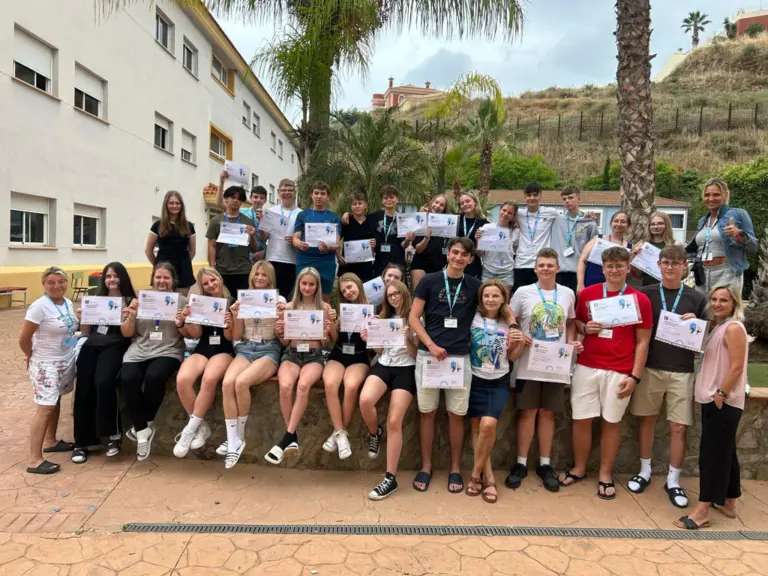
- Certificates & reflection — awards and a look back at the week.
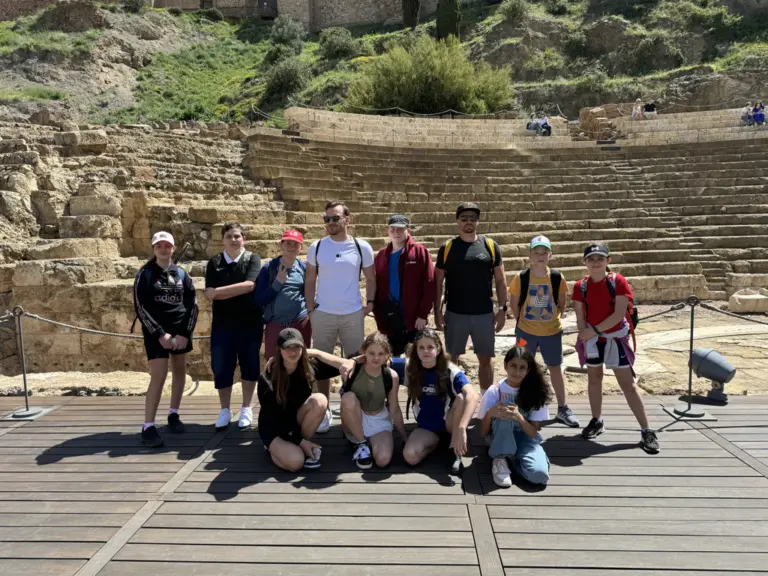
- Guided Málaga half-day excursion — afternoon trip to Málaga port, cathedral, and old town.
Saturday
- Departure — transfer back home.