Erasmus+ Youth Exchange (KA152-YOU) · Benalmádena, Spain & Prague, Czechia · November 2025 – October 2026
| Project | The Future of Europe: Shaping the Political Environment for Youth |
| Project No. | 2025-1-CZ01-KA152-YOU-000302623 |
| Programme | Erasmus+, KA152-YOU – Youth Exchanges |
| Partners | ZŠ a MŠ Praha – Zličín (Czech Republic) and European Trainee Academy (EUTA), Spain |
| Activities | 6–15 March 2026, Benalmádena (Spain) · 19–28 June 2026, Prague (Czechia) |
| Participants | Young people aged 13 to 17 |
Read the full story of the project: youthstrategy.eu/project
What happens when teenagers stop hearing about European politics and start doing it? In the youth exchange The Future of Europe: Shaping the Political Environment for Youth, European Trainee Academy Spain (EUTA) and the Czech school ZŠ a MŠ Praha – Zličín invited young people aged 13 to 17 to take on the role of Members of the European Parliament. For EUTA it was our first youth exchange focused on politics and active citizenship, and one of our most rewarding projects so far.
Why we did it
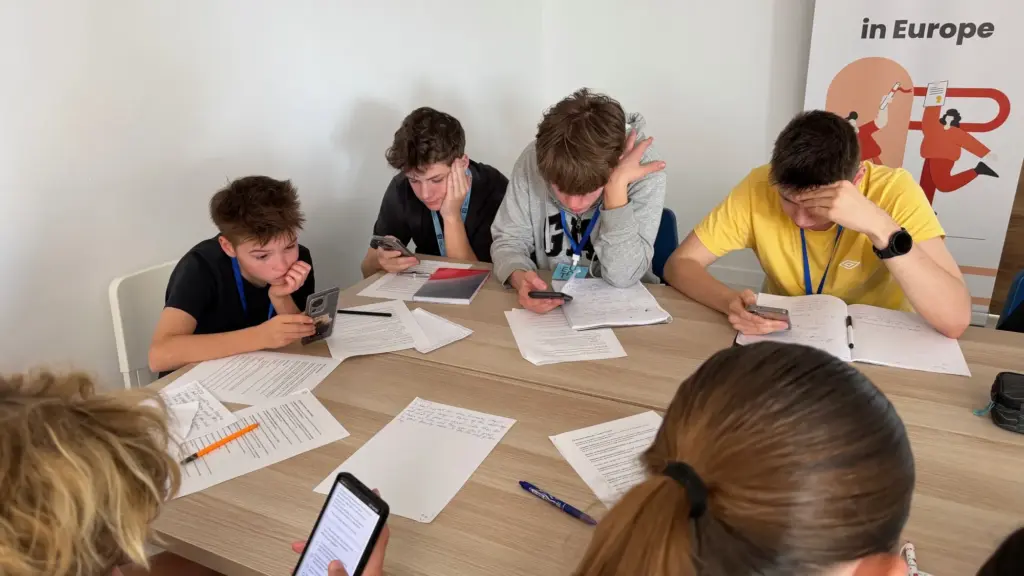
Many young people see politics as something distant that has nothing to do with them, and the European Union as an institution they know only from the news. We wanted to change that the way it works best at this age: by letting them experience democracy first-hand. Instead of lectures, the participants formed political factions, wrote their own laws, negotiated and voted, just as real MEPs do.
Preparation
In November 2025 the Czech team came to Benalmádena for a preparatory visit. Together we agreed on the programme, the methods, the safety arrangements and the division of tasks. A young participant came along as the voice of the young people. Before the exchange, both groups took part in an introduction to political science and the political groups of the European Parliament, and completed an entry questionnaire. The results helped us form factions with a balanced mix of opinions.
Ready to Start Your Erasmus+ Journey?
Explore our Erasmus+ funded teacher courses and student programmes in Benalmádena, Spain.
Week one: Benalmádena, March 2026
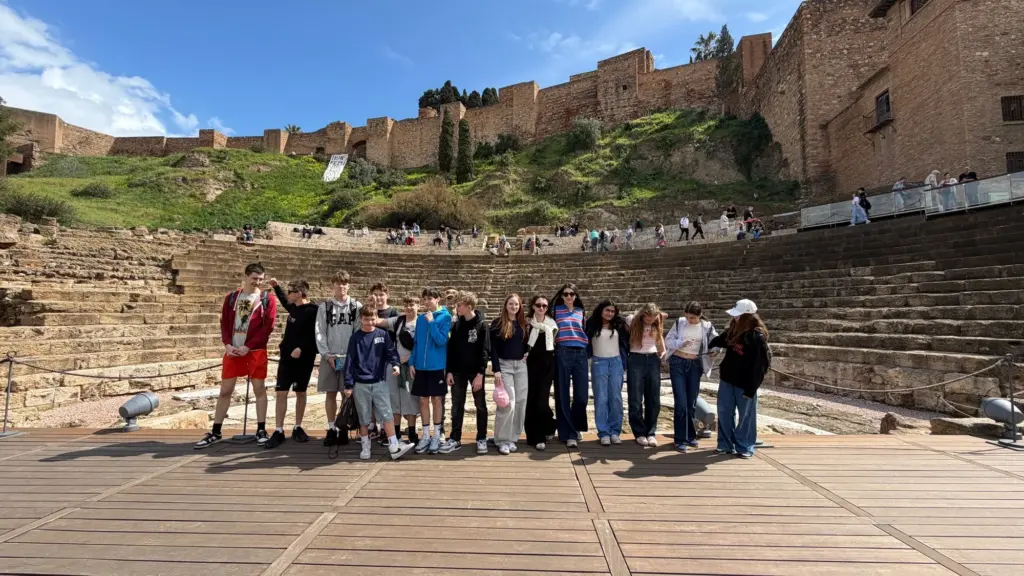
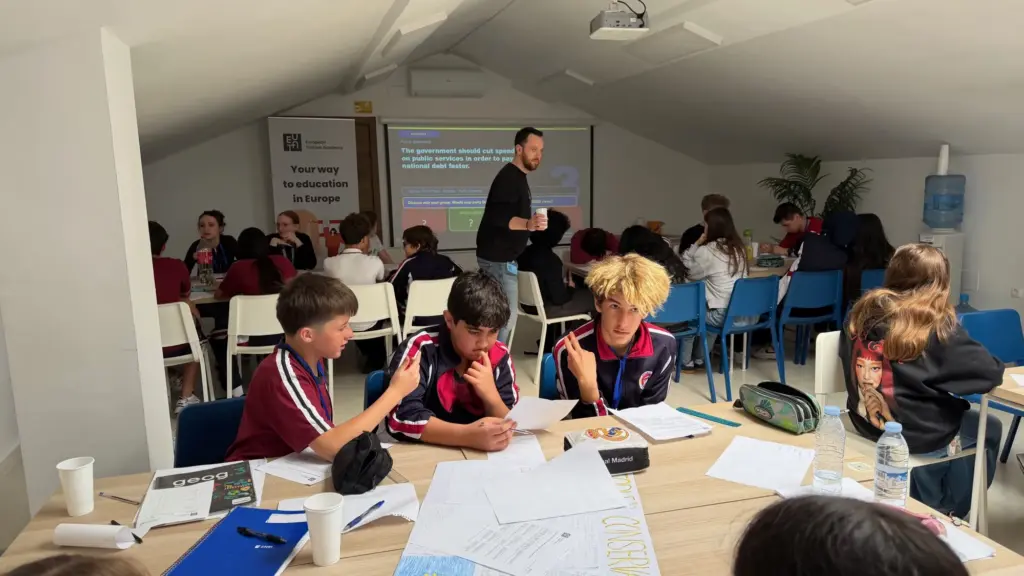
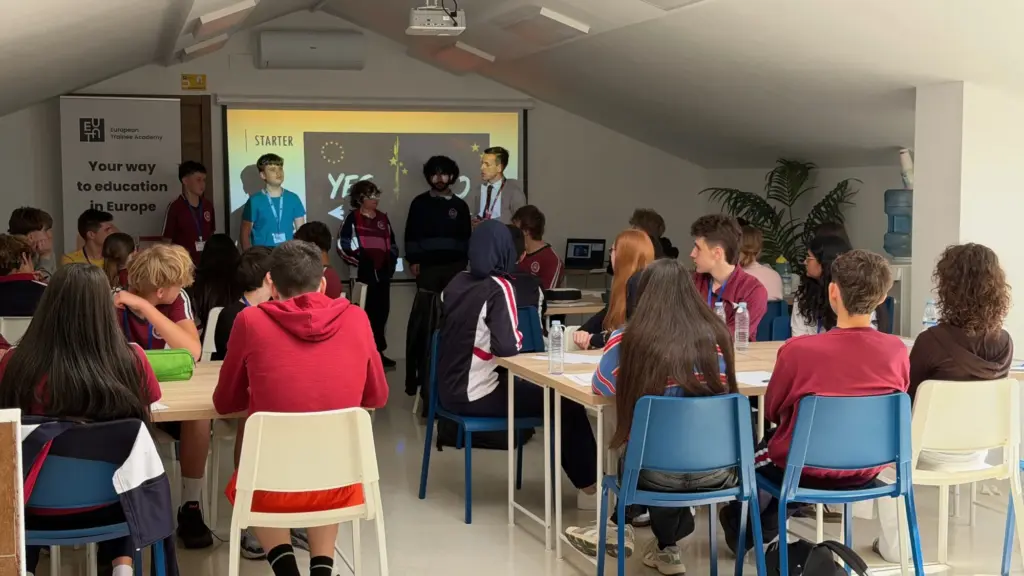
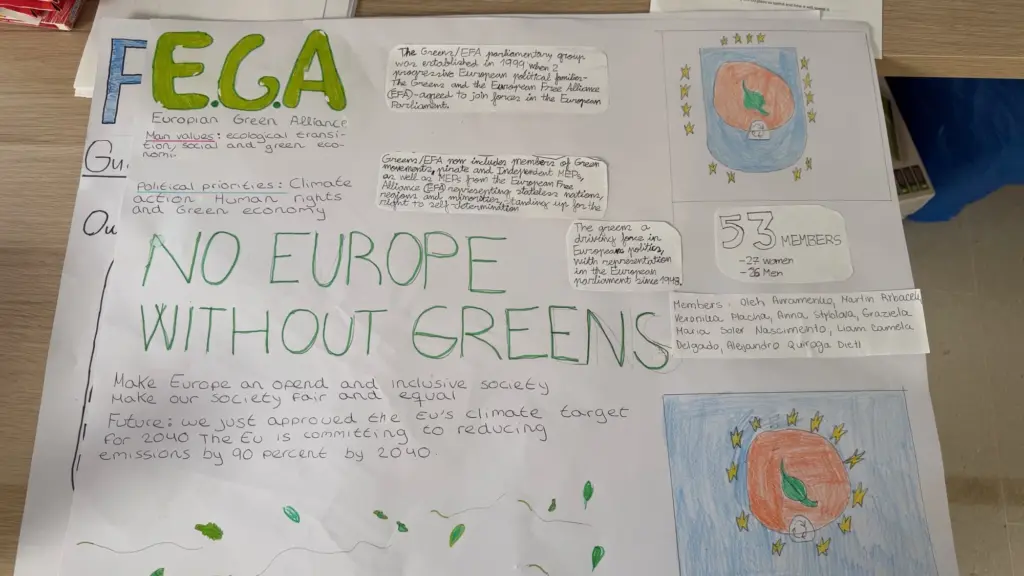
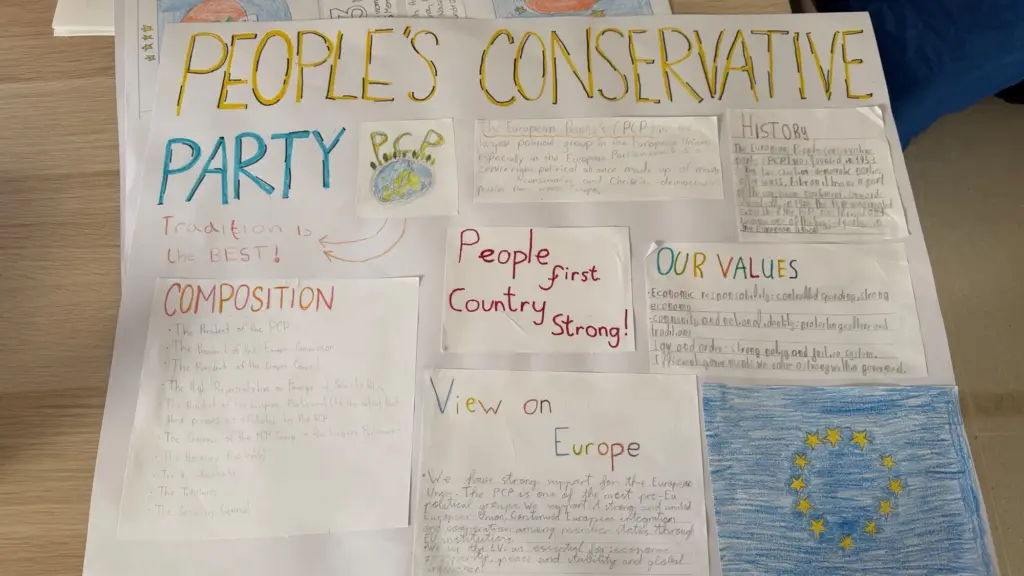
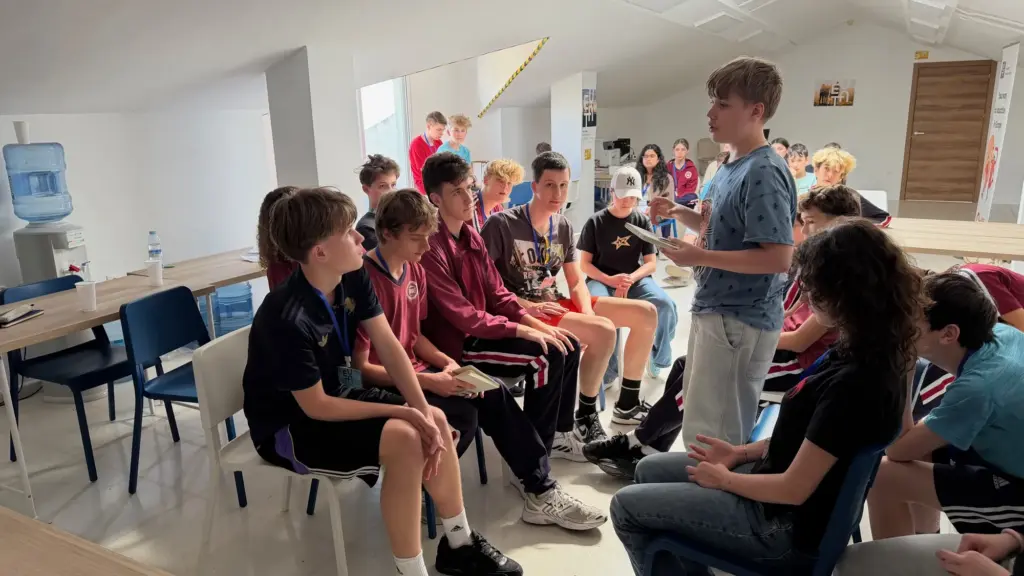
We hosted the Czech group in Benalmádena from 6 to 15 March 2026. The week started slowly on purpose, with getting-to-know-each-other activities, presentations about both countries, an intercultural quiz and a cultural day in Málaga. On Monday the participants formed four mixed Czech-Spanish factions, each with its own poster and motto.
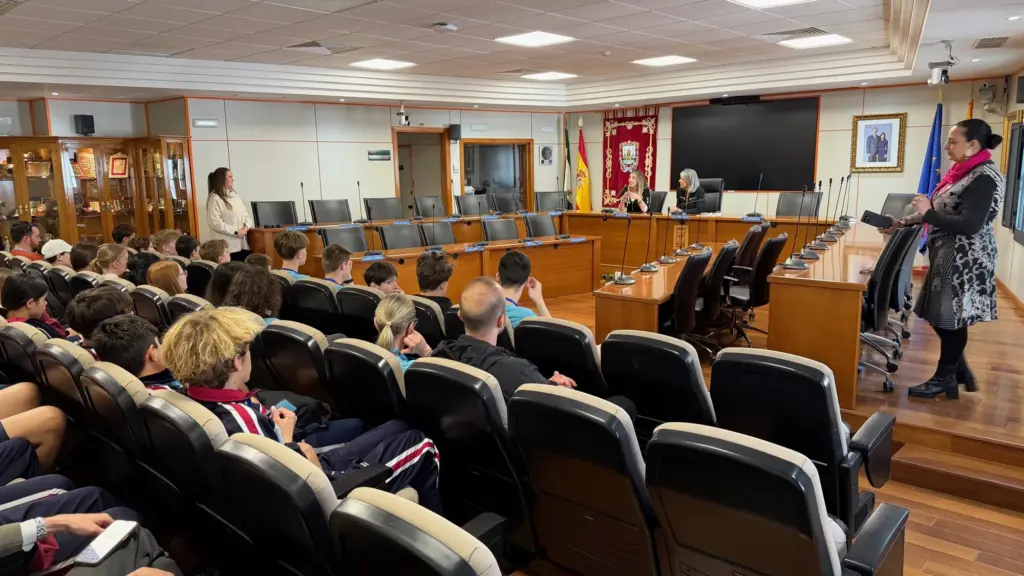
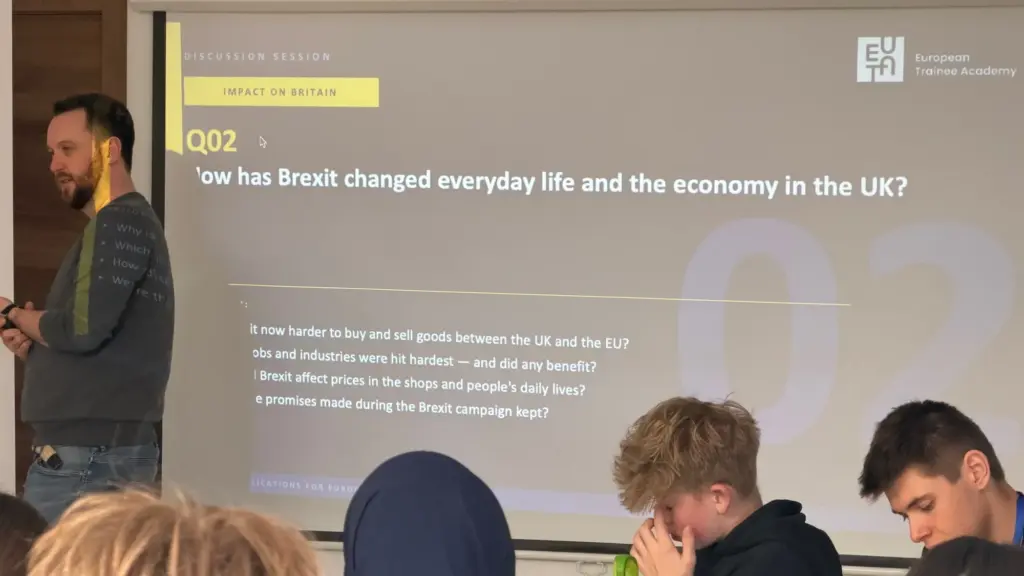
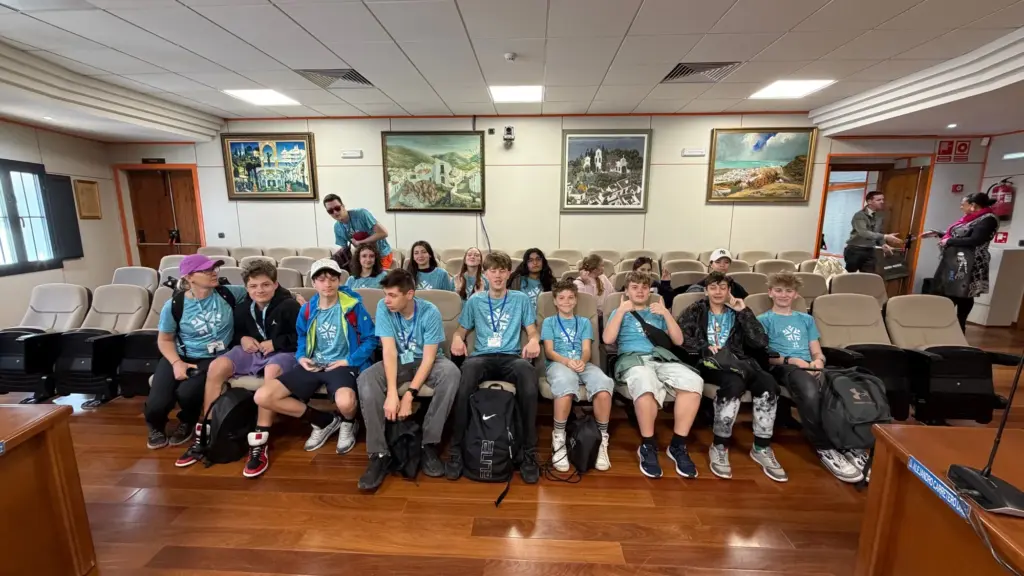
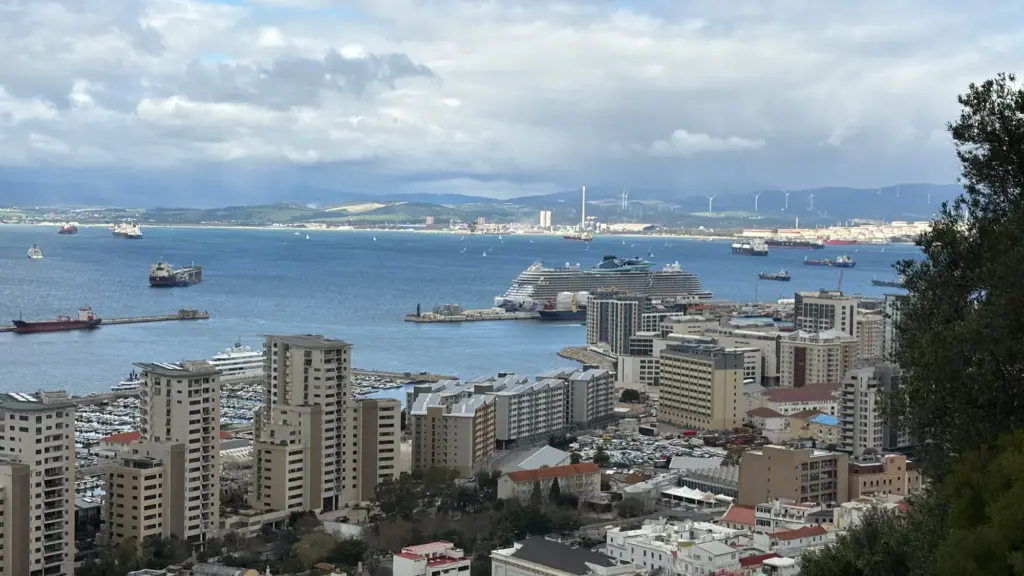
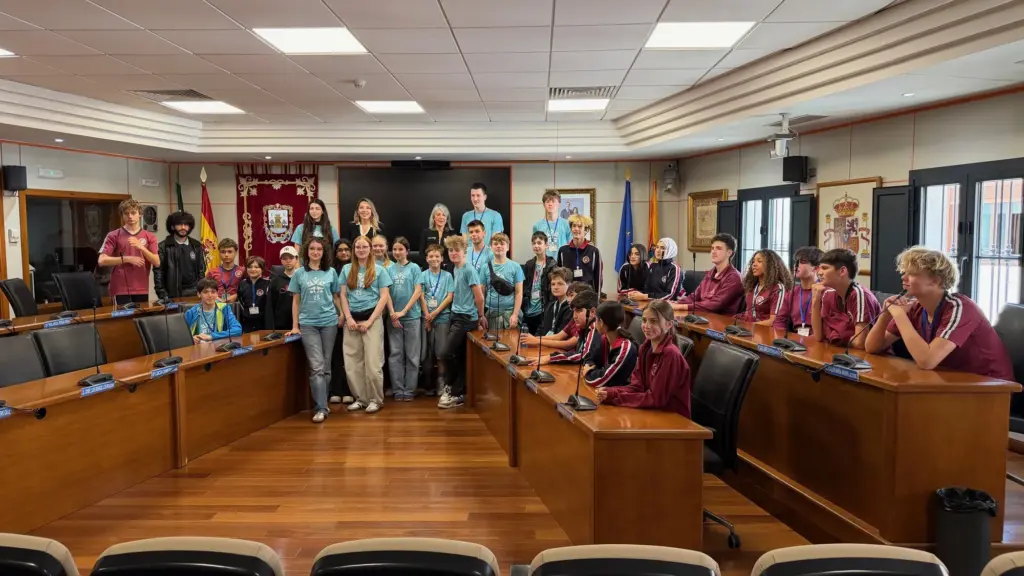
Over the following days the factions debated education, the economy, ecology and security. The mayor of Benalmádena welcomed the group at the town hall and explained how the town uses European funds. In a fake-news workshop the participants created a fake story themselves to see how easily information can be manipulated. Guest speakers talked with them about Brexit, and a representative of the UK Ministry of Defence discussed European defence with them on a video call. The week ended with a study visit to Gibraltar, where the participants crossed the border on foot and saw for themselves what an external EU border means after Brexit.
Between the mobilities
Between March and June the factions continued working on their proposals online, in shared documents. The group leaders and facilitators of both organisations met online regularly to check how the factions were progressing and to prepare the Prague programme.
Week two: Prague, June 2026
From 19 to 28 June 2026 our group was hosted in Prague. The factions started with street interviews, asking people on Národní třída what they think about the European Union. At the European House they played the Europa Experience game, negotiating European laws in the role of MEPs. A Czech senator visited the school to answer their questions. A workshop on disinformation in politics followed, and each faction promoted its programme with a poster, a slogan and a social media post.
Each of the four factions wrote its own version of all 12 laws. Before the vote, the faction chairs gave speeches in English to the whole plenary. The week ended with a joint reflection on both mobilities, lunch in the city, a walk through Prague and a farewell.
The result: Future Youth Strategy 2035
On 26 June 2026 the plenary adopted the Future Youth Strategy 2035, with 12 youth laws in four areas:
- Education: AI tools in schools with clear rules, mental-health lessons, exchanges abroad for students
- Economy: internships, a four-day working week, affordable housing for young people
- Ecology: short-haul flights, the 2035 ban on petrol and diesel cars, ultra-fast fashion
- Security: mobile phones in schools, a minimum age for social media, a common EU defence force
The participants voted for the strongest argument rather than for their own faction, so every adopted law won support across party lines. For three laws the vote was tied, and the plenary adopted both proposals side by side.
Methods
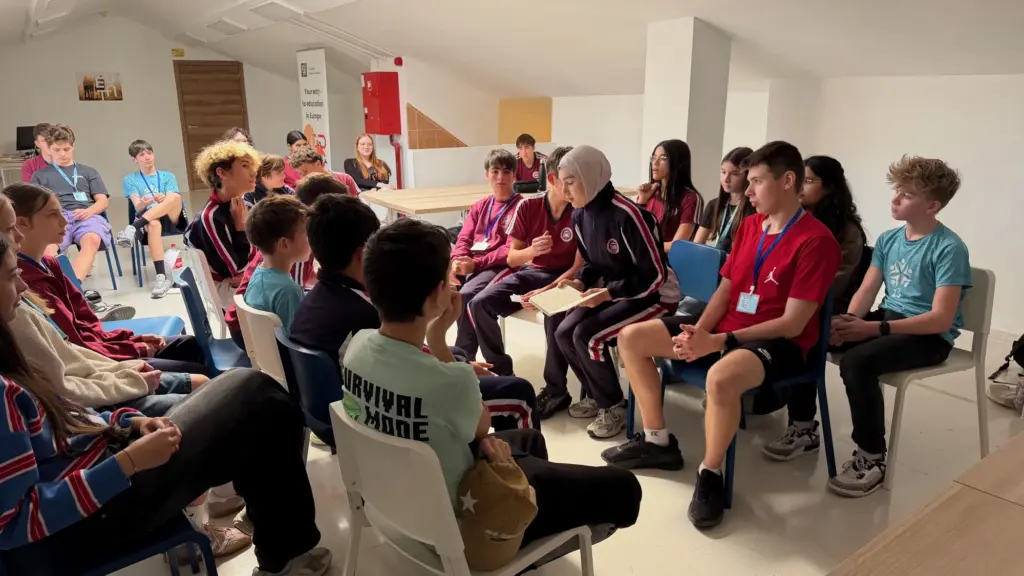
The whole project was built on non-formal learning: simulation and role play, “take a stand” exercises, “devil’s advocate” debates in which a faction first defends the opposite of its own view, street interviews as a source of ideas for the laws, a simple five-field law template that any 13-year-old can use, and electronic voting. Every day ended with a reflection circle and an entry in a learning diary, and every participant received a Youthpass certificate based on their own reflection.
What the young people gained
In the final questionnaire:
- 100% of participants said they had become better at working with people from another country
- 92% had improved in forming their own opinion and in speaking English in front of others
- 88% now understand better how decisions made in Europe affect their everyday life
- 92% want to get more involved, whether in a school parliament, in their town or one day at the polls
One participant summed up the biggest benefit of the project simply as “motivation to go and vote.”
Try it yourself
All 12 laws, the full voting results, the story of the project and the voting tool we built for the exchange are freely available online:
- Project story: youthstrategy.eu/project
- Strategy and voting tool: youthstrategy.eu
Any school, scout group or youth organisation can run its own parliament simulation there. The teacher creates a vote, the participants join with a code or QR code, and everyone votes at the same time from their own phone.
Thank you
We thank our partner ZŠ a MŠ Praha – Zličín, Benalmádena Town Hall, our guest speakers, the European House in Prague, the student parliament of Gymnázium Litoměřická, which is taking the results further, and above all every young person who took part. Europe’s future is in good hands.
Project 2025-1-CZ01-KA152-YOU-000302623 · Co-funded by the European Union. Views and opinions expressed are however those of the author(s) only and do not necessarily reflect those of the European Union or the European Education and Culture Executive Agency (EACEA) or the Czech National Agency (DZS). Neither the European Union nor the granting authority can be held responsible for them.
Gallery